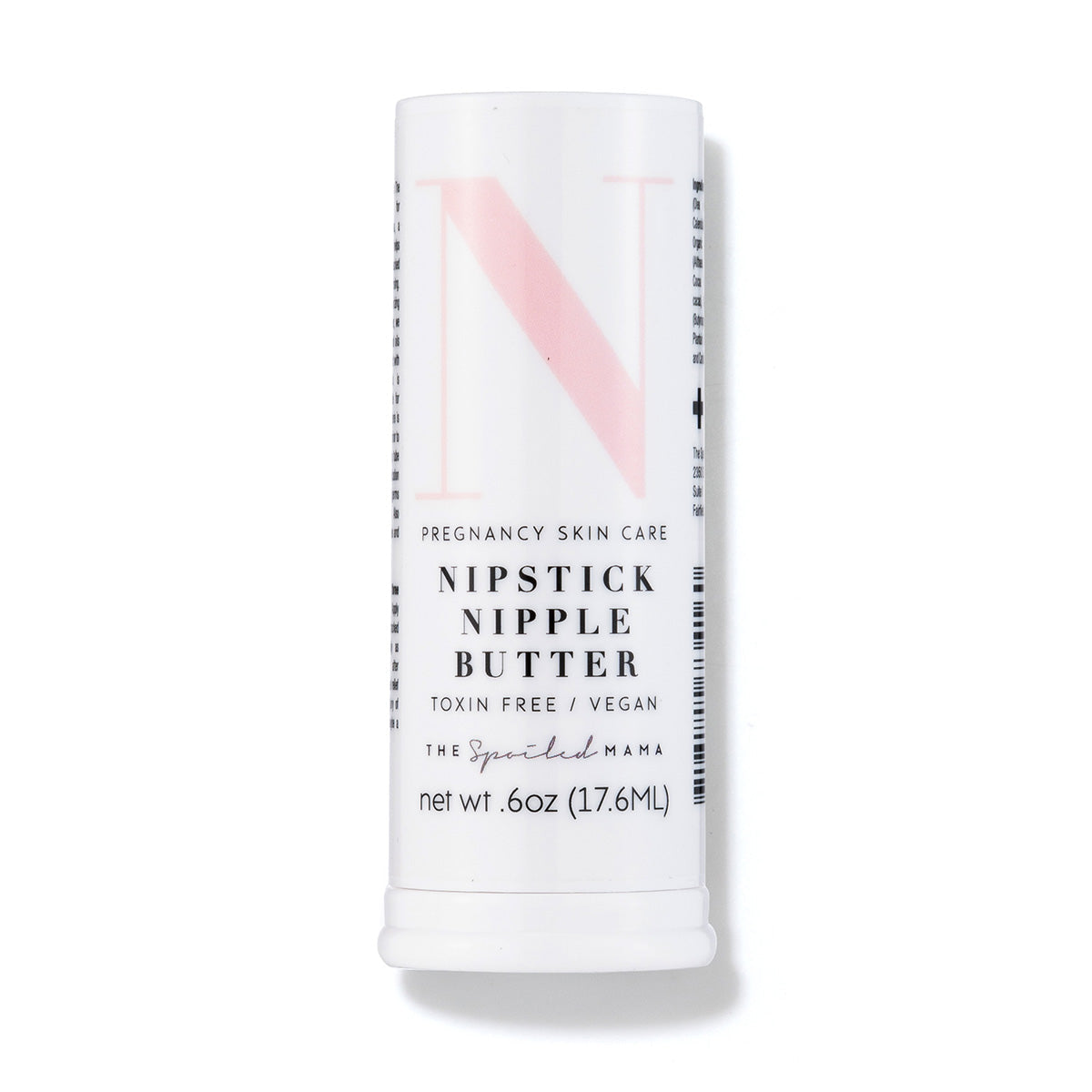
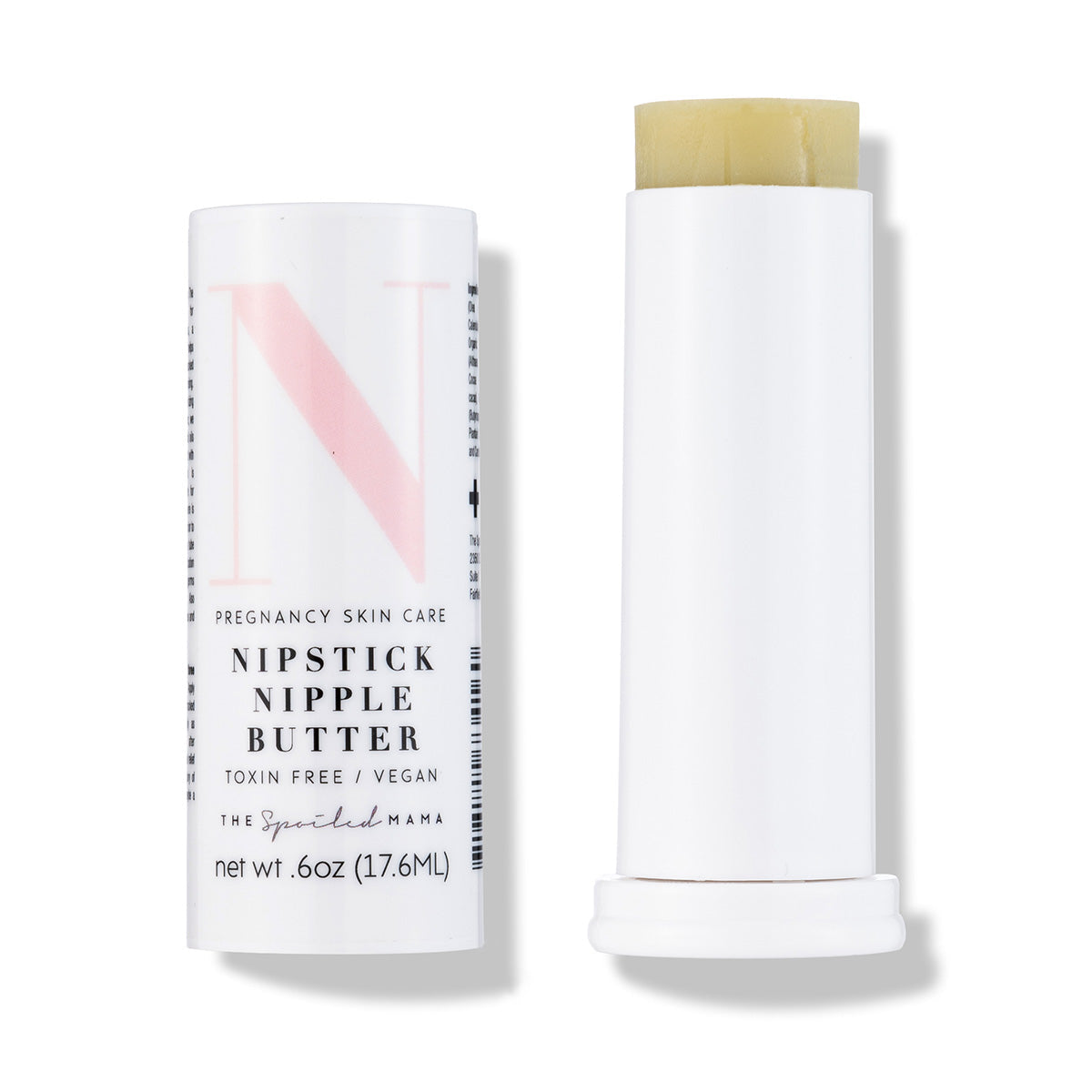


Fix that Sucker Nipstick
OB/GYN-Approved · Pregnancy + Postpartum
 OBGYN RECOMMENDED
OB/GYN-reviewed formulas, made in the USA with clean, pregnancy-safe ingredients. 30-day returns & exchanges.
 INGREDIENT TRANSPARENCY
We have nothing to hide, and we proudly disclose every hand-selected ingredient.
Fix that Sucker Nipstick
WHY YOU'LL LOVE IT
WHY IT KICKS BUTT
HOW TO USE
INGREDIENTS

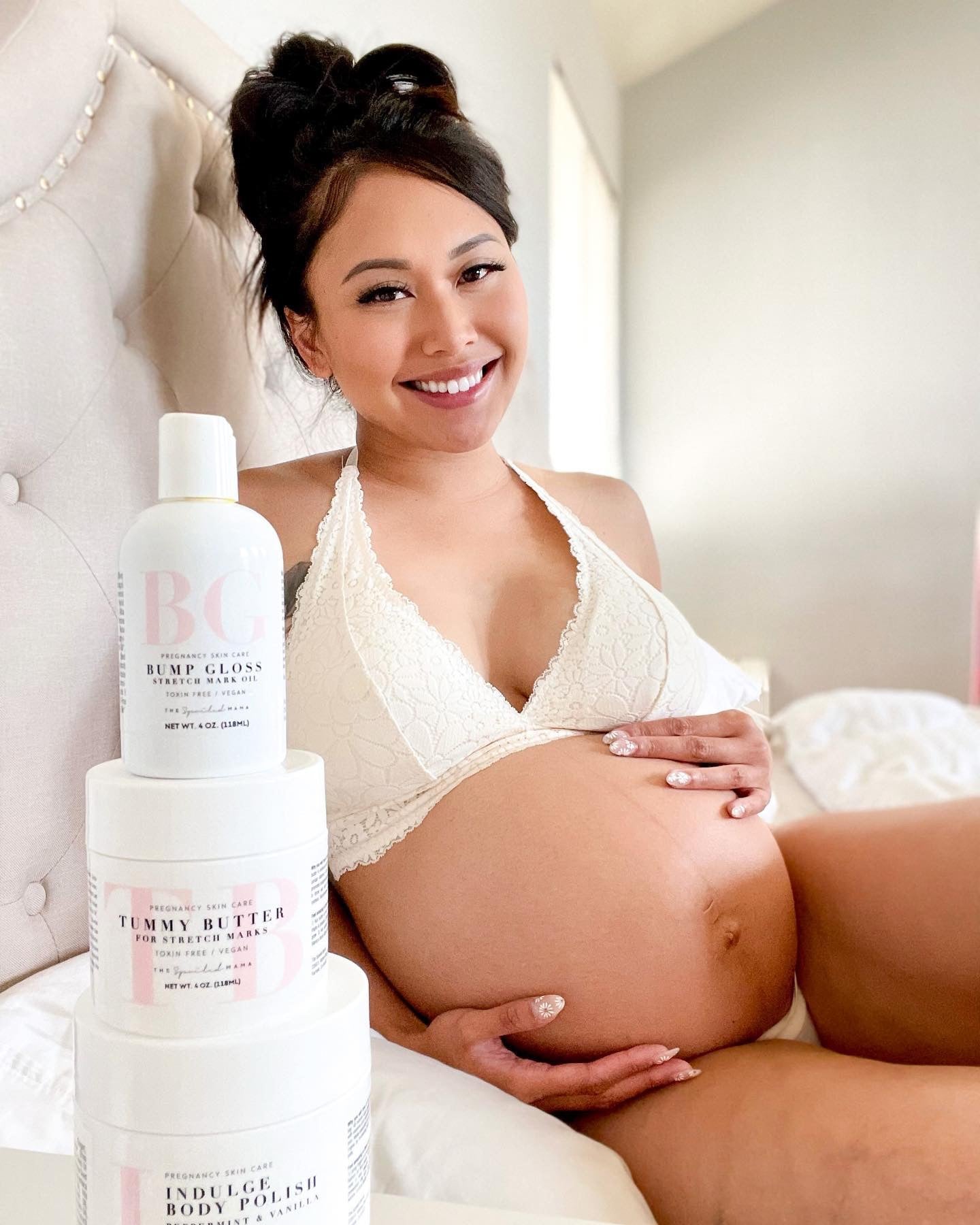
Your Safety Is Our Priority
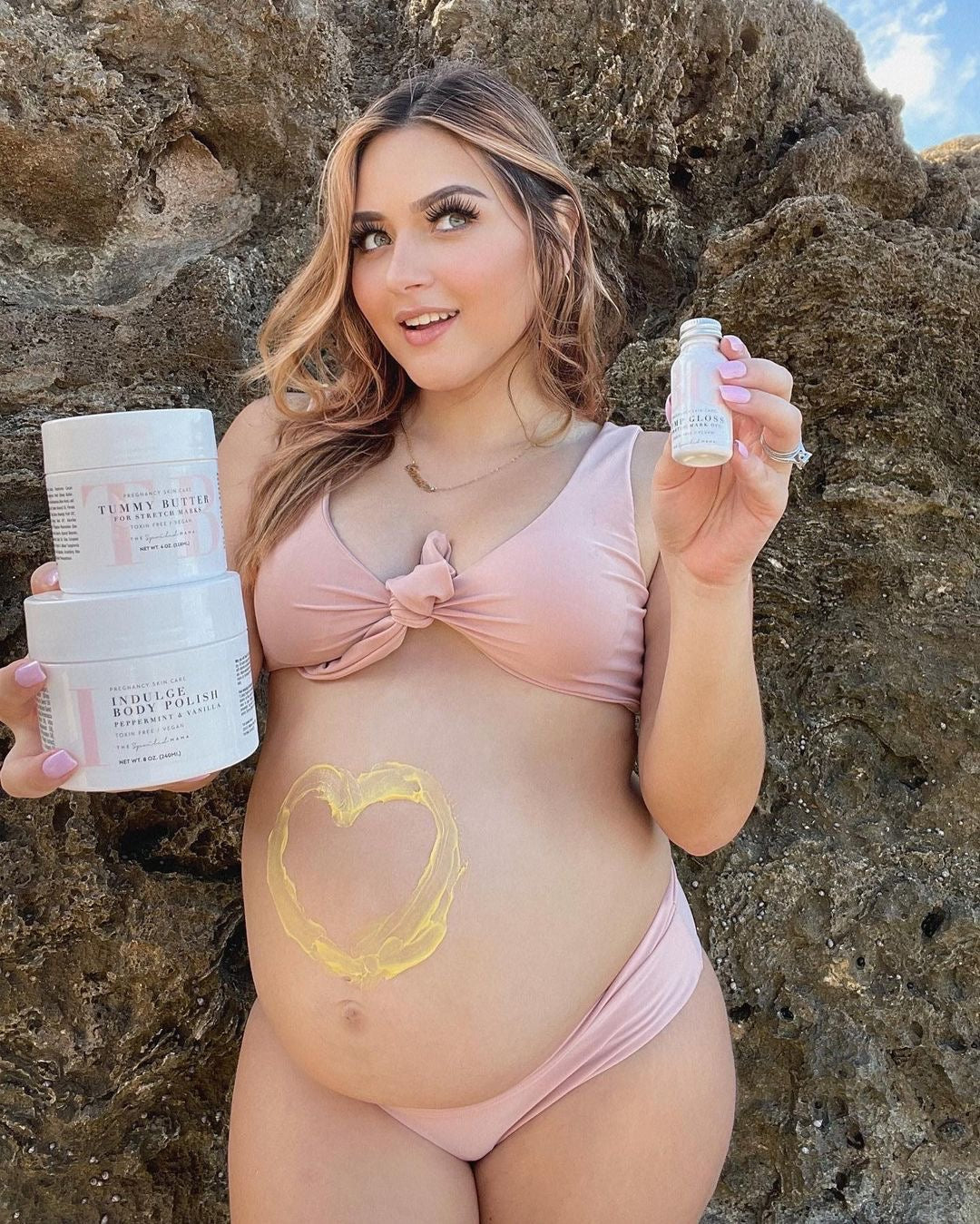
Our products are pregnancy-safe and breastfeeding-safe, tested extensively without animal testing.
We know moms-to-be deserve to spoil themselves. TSM makes it easy.
Our entire collection is made to soothe your mind and body — from bump to beyond.
WHY CHOOSE US?
Our ingredients are so gentle that you won't need to worry about toxic ingredients or having dry, itchy skin and you can focus on that “glowing” pregnancy skin tone you always imagined!
From seabuckthorn oil to hyaluronic acid, the effective, non-toxic ingredients in each of our products are proven to improve the appearance of oily, hormonal acne, stretch marks, c-section scars, postpartum skin and help fade dark spots, caused by melasma (mask of pregnancy).
NON-TOXIC, VEGAN & SAFE
Safe pregnancy skincare means clean beauty products for moms. Always safe for baby and you.
Let's face it. Growing a human isn't easy, and The Spoiled Mama is here for you so you can enjoy these precious months. Our products ensure you receive the safest pregnancy skincare available.