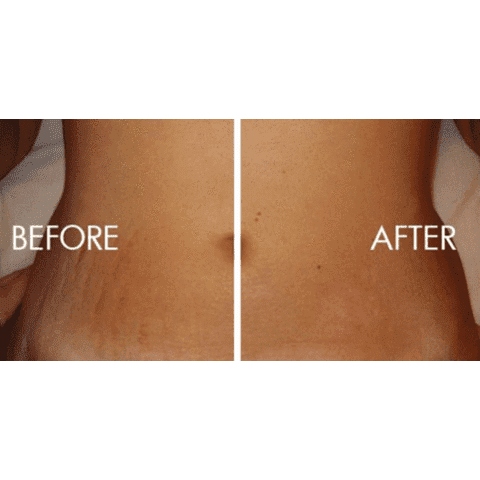
Recently, we had a sit down with a few mamas and they had some good questions about pregnancy skincare, so I wanted to address one of the most popular topics:

How to lose stretch marks once they're already there. And what is the best cream to help fade stretch marks?
Here's a Facebook question from a Mama we met:
"I am six weeks postpartum and as a woman of color my stomach is still very dark in appearance. I know its something many darker woman are ashamed to show, but perfect for showing a transformation! The actual marks are deep tears I would say and quite a few shades lighter than the area around. How do I get rid of these pregnancy stretch marks and what is the best cream to fade stretch marks?"
Answer: Congrats on your new baby! This is the perfect time to begin tackling those new stretch marks -- once they heal and become silvery scars, it's almost impossible to alter their appearance without invasive and expensive laser surgery. However, since you're only six weeks postpartum, this is a fantastic time to begin making real changes in their final appearance!
While no cream can completely erase stretch marks, using clinically supported ingredients early, especially during the red or purple stage of healing, can improve their appearance over time. Consistent hydration, ingredients that support collagen production, and sun protection may help stretch marks appear softer, smoother, and less noticeable. During pregnancy and postpartum, choose products specifically formulated with pregnancy-safe ingredients.

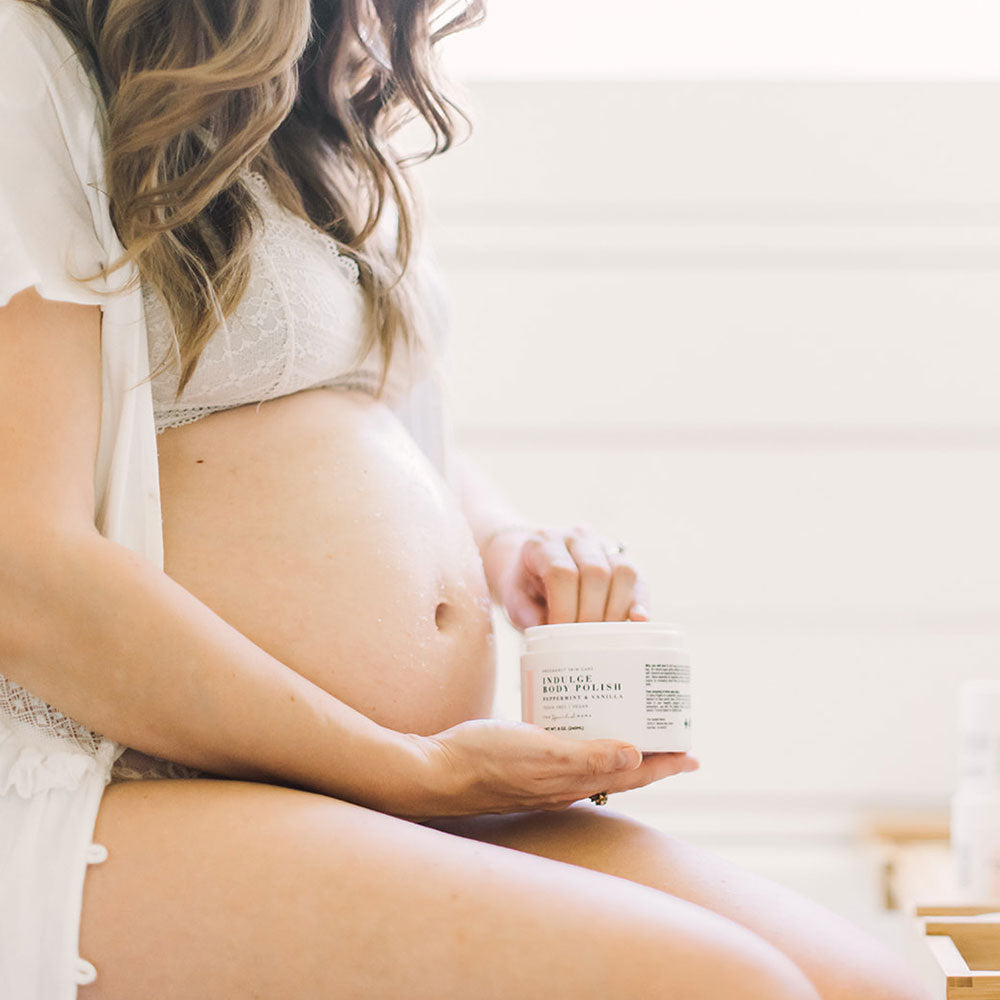
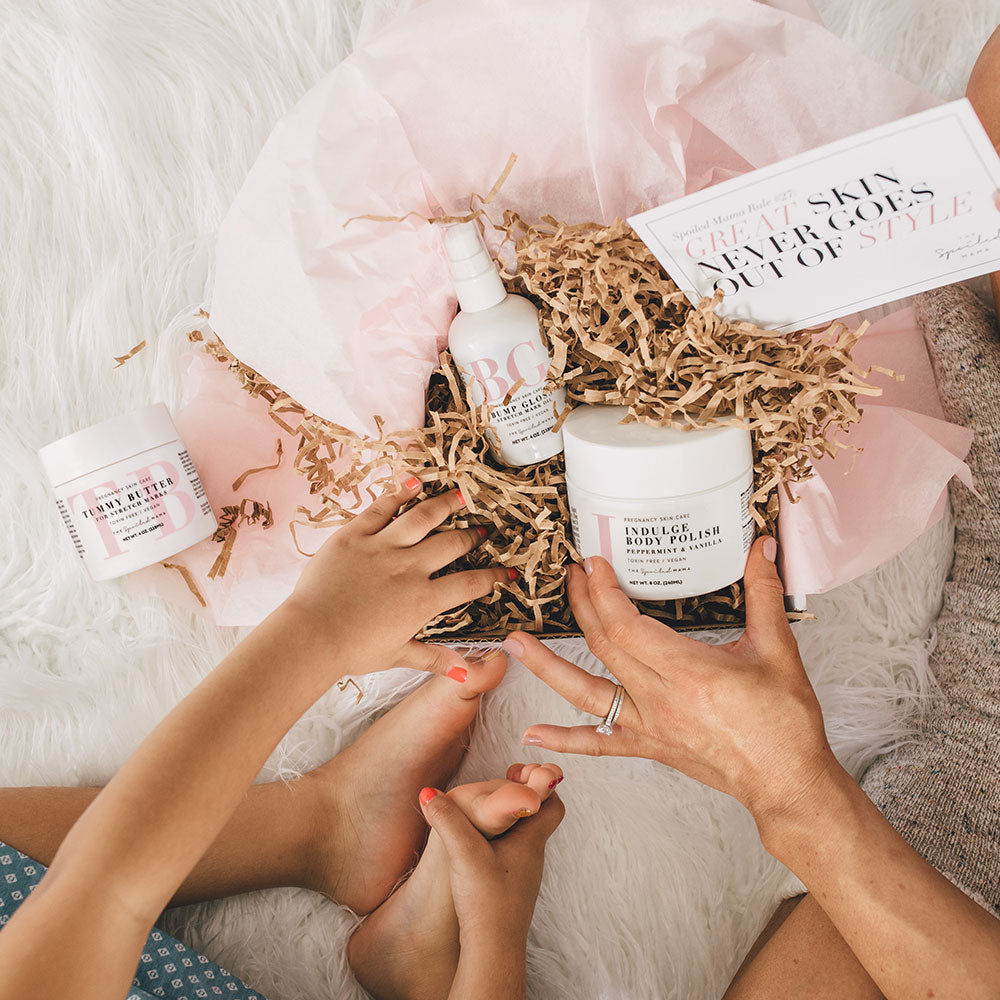
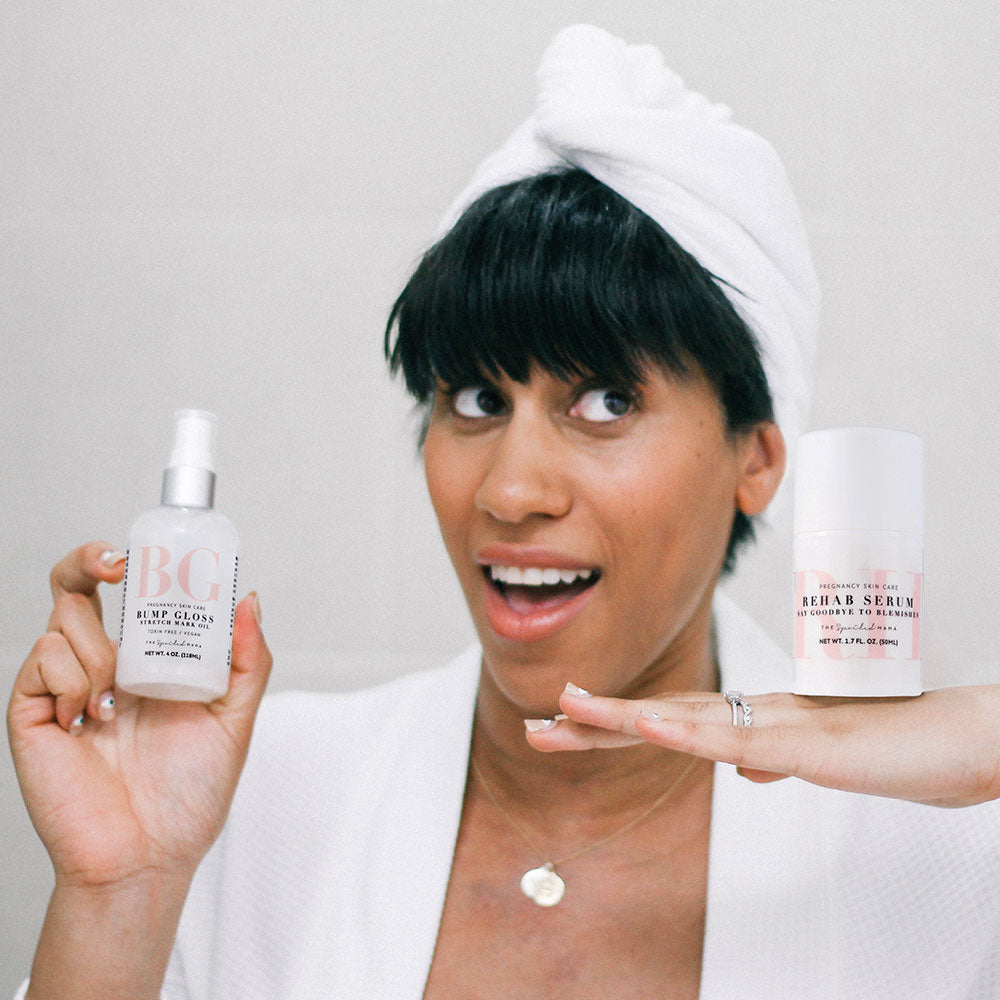
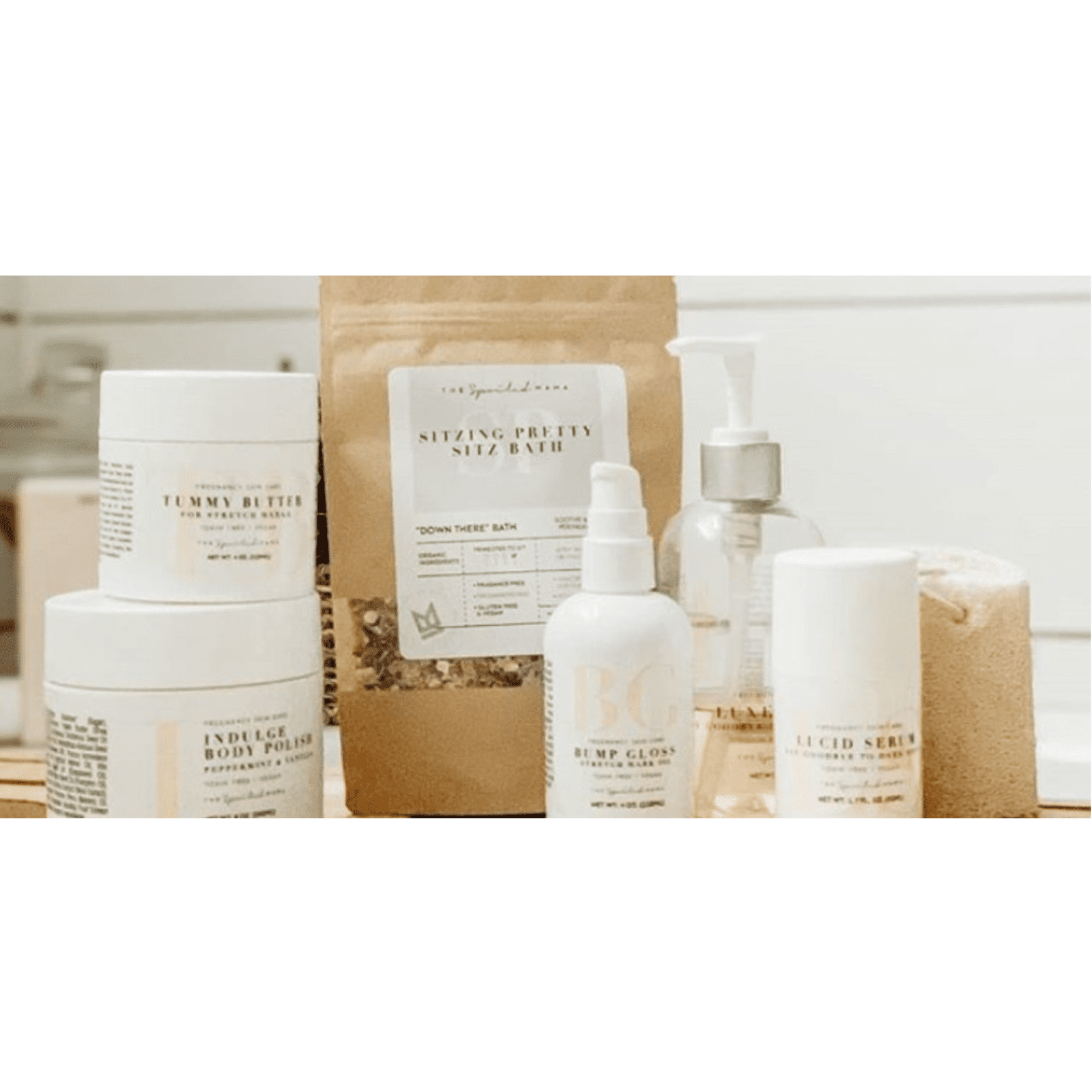
Since your stretch marks are already formed, we recommend using our Remodel Serum for stretch marks and Tummy Butter from our collection of toxin-free pregnancy stretch mark solutions. These will both help fade old stretch marks and new ones. 1) On clean, dry skin apply Remodel stretch mark serum as a spot treatment over stretch marks. Apply with a gentle patting motion and allow serum to be fully absorbed before putting on clothes or moving to next step. 2) Apply Tummy Butter liberally over regions where stretch marks exist. Allow to dry. Repeat once or twice a day. Since our belly butter is a rich cocoa butter with a blend of nourishing oils, it may take a little longer (10-15 minutes) for the butter to dry.
Personally, I love the duo Remodel Stretch Mark Serum + Tummy Butter treatment at night when I have more time to relax, and the Remodel spot treatment in the mornings when I'm a little more rushed. It should be noted that we strongly recommend staying out of the sun and/or tanning beds until your stretch marks heal completely. (And don't forget our tips on how to prevent stretch marks in the first place!) As always, our pregnancy skincare is toxin-free and made with organic ingredients, which means it's safe for expecting and postpartum Mamas!

Our Best-Selling Duo
Tummy Butter plus ReModel Stretch Mark Serum, a targeted serum for the look of new and existing stretch marks. Save when you get them together.
Why Do Stretch Marks Happen?
Stretch marks, medically known as striae, are a type of scar that can develop when the skin stretches or changes more quickly than the deeper layers of the skin can adapt. During pregnancy, several factors can contribute to their formation.
Collagen
Collagen is a structural protein that helps give skin its strength and firmness. When the skin expands rapidly, its collagen fibers can become disrupted, creating the foundation for a stretch mark.
Elastin
Elastin allows the skin to stretch and return toward its original shape. Rapid or prolonged stretching can place stress on these elastic fibers, making it harder for the skin to adjust without developing visible marks.
Rapid Skin Stretching
Pregnancy, growth spurts, rapid weight changes, and fast muscle growth can all cause the skin to expand quickly. During pregnancy, stretch marks commonly develop on the belly, breasts, hips, thighs, and buttocks as these areas change.
Hormonal Changes
Pregnancy hormones may affect the skin’s collagen and elastin, influencing how well the skin responds to stretching. This helps explain why stretch marks can develop even when weight gain is gradual and the skin is regularly moisturized.
Genetics
Genetics also play an important role. If your mother, sisters, or other close family members developed stretch marks during pregnancy, you may be more likely to develop them as well.
Not everyone develops stretch marks, and no skincare product can guarantee complete prevention. However, keeping the skin consistently moisturized can support the skin barrier, reduce dryness and tightness, and help the skin feel more comfortable as it stretches.
When Should You Start Treating Stretch Marks?
The best approach depends on whether you are pregnant, newly postpartum, or treating older, mature stretch marks.
During Pregnancy
You can begin moisturizing early in pregnancy and continue as your belly and body grow. Focus on maintaining hydration and supporting the skin barrier in areas that commonly stretch, including the belly, breasts, hips, thighs, and buttocks.
Pregnancy skincare should prioritize gentle, nourishing ingredients. Avoid retinoids and other ingredients that have not been approved by your healthcare provider for use during pregnancy.
The goal during pregnancy is to:
- Maintain skin hydration
- Support the moisture barrier
- Reduce dryness, itching, and tightness
- Keep the skin soft and comfortable while it stretches
Early Postpartum Stretch Marks
Newer stretch marks may appear red, pink, purple, reddish-brown, or dark brown, depending on your skin tone. This early stage is often called striae rubrae.
Newer stretch marks generally respond better to topical treatment than older, mature marks. Once the skin has healed after delivery, consistent hydration and appropriate collagen-supporting ingredients may help improve their texture, color, and overall appearance.
Do not apply active skincare ingredients to a healing C-section incision, broken skin, or irritated skin. Consult your healthcare provider before using retinoids while breastfeeding.
Older White or Silver Stretch Marks
As stretch marks mature, they typically become lighter, flatter, and more indented. These older marks are often called striae albae.
Older white or silver stretch marks are more difficult to improve with topical skincare alone. Moisturizers can still soften the skin and improve its overall texture, but mature stretch marks may require professional treatments such as microneedling, laser therapy, radiofrequency, or other dermatologist-performed procedures for more noticeable improvement.
Ingredients That May Help Improve the Appearance of Stretch Marks
Different ingredients serve different purposes. Some help hydrate and protect the skin, while others may help improve the appearance of newer stretch marks.
Hyaluronic Acid
Hyaluronic acid attracts and holds water within the skin. It helps improve hydration, softness, and suppleness, and research suggests it may help make early stretch marks less noticeable when used consistently.
Peptides
Peptides are short chains of amino acids commonly used in skincare formulas designed to support smoother, firmer-looking skin. They may help support the appearance of collagen-rich skin, although research specifically involving stretch marks remains limited.
Cocoa Butter
Cocoa butter is a rich emollient that helps soften the skin and reduce moisture loss. It can support the skin barrier and relieve dryness or tightness, but cocoa butter alone has not been proven to prevent or erase stretch marks.
Shea Butter
Shea butter contains moisturizing fatty acids that help condition dry skin and reinforce the moisture barrier. It can improve softness and comfort as the skin stretches, although it should not be presented as a guaranteed stretch mark treatment.
Vitamin E
Vitamin E is an antioxidant and skin-conditioning ingredient frequently included in body care products. It can help nourish dry skin, but studies have not shown that vitamin E alone prevents or removes stretch marks.
Plant Oils
Plant oils help replenish the skin’s natural lipids, reduce moisture loss, and make the skin feel more flexible and comfortable. Oils can also provide slip for gentle massage. While they support hydration, individual plant oils have not been proven to completely prevent stretch marks.
Retinoids
Retinoids, including retinol and prescription tretinoin, encourage skin renewal and support collagen production. They may help make newer stretch marks less noticeable, but they should not be used during pregnancy.
If you are breastfeeding, use retinoid products only after discussing them with your healthcare provider. Never apply them to the nipple, breast, or any area where your baby’s skin may come into direct contact with the product.
Pregnancy and Postpartum Stretch Mark Routine
| Skin Goal | During Pregnancy | Postpartum | Recommended Product |
|---|---|---|---|
| Support skin during rapid stretching | ✓ | ✓ | Tummy Butter + Bump Gloss |
| Improve the appearance of newer stretch marks | Not recommended | ✓ | Remodel Stretch Mark Serum |
| Provide deep, lasting hydration | ✓ | ✓ | Tummy Butter |
| Support and reinforce the skin barrier | ✓ | ✓ | Tummy Butter |
No topical skincare product can guarantee the prevention or complete removal of stretch marks. Remodel Stretch Mark Serum is intended for postpartum use and should not be used during pregnancy. Consult your healthcare provider before using retinoid skincare while breastfeeding.
Frequently Asked Questions About Stretch Marks
Can stretch marks disappear naturally?
Stretch marks usually fade naturally over time, but they are a form of scarring and may not disappear completely. Newer marks often become lighter, flatter, and less noticeable as they mature.
Can old stretch marks still fade?
Older white or silver stretch marks may continue to soften and become less noticeable, but they generally respond less effectively to topical products than newer red, purple, or dark-colored marks. A dermatologist may recommend professional procedures for more significant improvement.
Are stretch mark creams safe during pregnancy?
Safety depends on the complete ingredient formula. Moisturizing products made without retinoids are generally more appropriate during pregnancy, but every product should be reviewed individually. Ask your OB/GYN or healthcare provider about any ingredient you are unsure about.
What stretch mark ingredients should I avoid while pregnant?
Avoid retinoids such as retinol, retinal, tretinoin, adapalene, and tazarotene during pregnancy unless specifically directed by your healthcare provider. Do not assume that a product is pregnancy-safe simply because it is described as natural or clean.
When should I start treating pregnancy stretch marks?
Begin hydrating and supporting the skin during pregnancy as your body starts to change. For active treatment of existing stretch marks, the early postpartum stage, when marks are still red, purple, pink, reddish-brown, or dark brown, generally offers a better opportunity for visible improvement than waiting until they become white or silver.
Medical References
This article was informed by guidance and research from the following medical and dermatology resources:
- American Academy of Dermatology: Stretch Marks, Why They Appear and How to Make Them Less Noticeable
- American Academy of Dermatology: Dermatologist-Approved Pregnancy Skin Care
- American College of Obstetricians and Gynecologists: Skin Conditions During Pregnancy
- National Library of Medicine LactMed: Tretinoin and Breastfeeding
This article is for educational purposes and is not a substitute for personalized medical advice. Consult your OB/GYN, dermatologist, or healthcare provider about skincare ingredients during pregnancy or breastfeeding.
Any maternity skincare questions for us? Looking for the best belly cream for pregnancy? Follow us on our Facebook page, Instagram or leave a comment below!

Written by Tamara Johnson, RN, Founder of The Spoiled Mama
Updated July 2026
Pregnant, postpartum or breastfeeding? Shop all non-toxic, OB/GYN-recommended essentials.

Leave a comment
All comments are moderated before being published.
This site is protected by hCaptcha and the hCaptcha Privacy Policy and Terms of Service apply.