
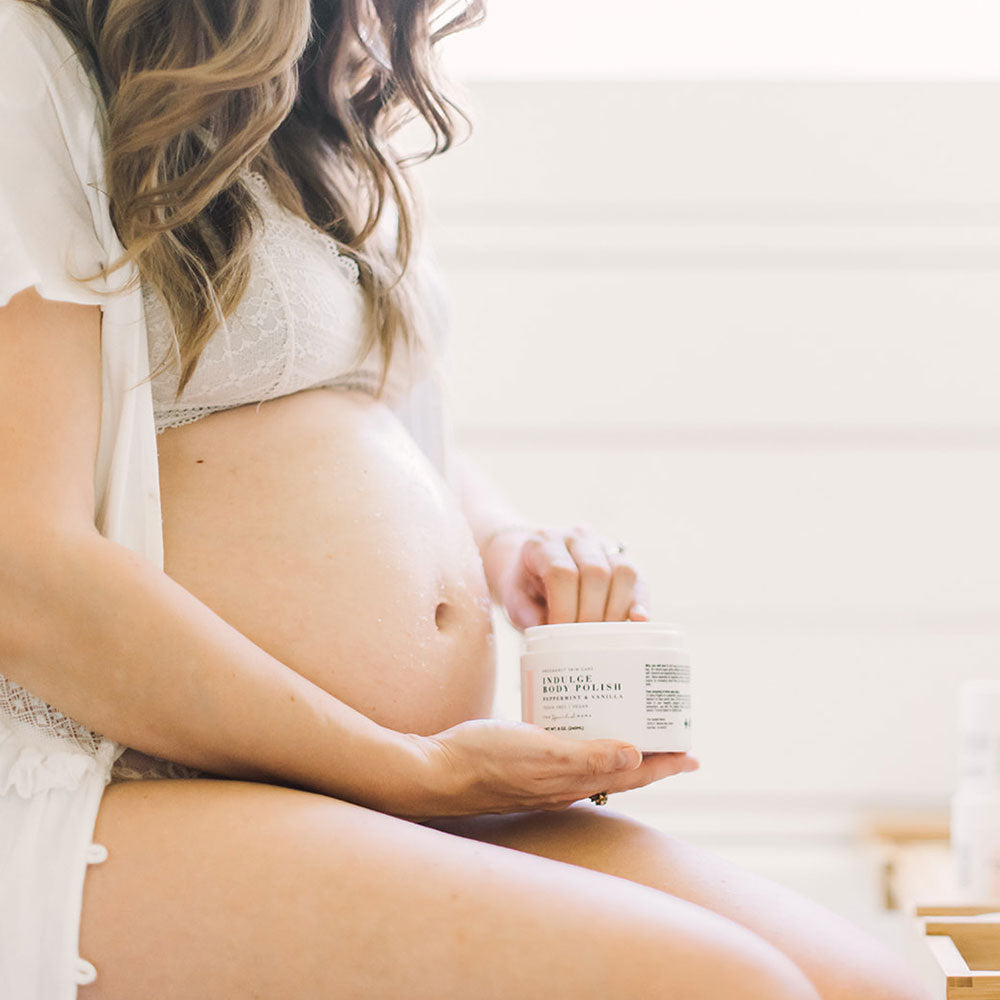
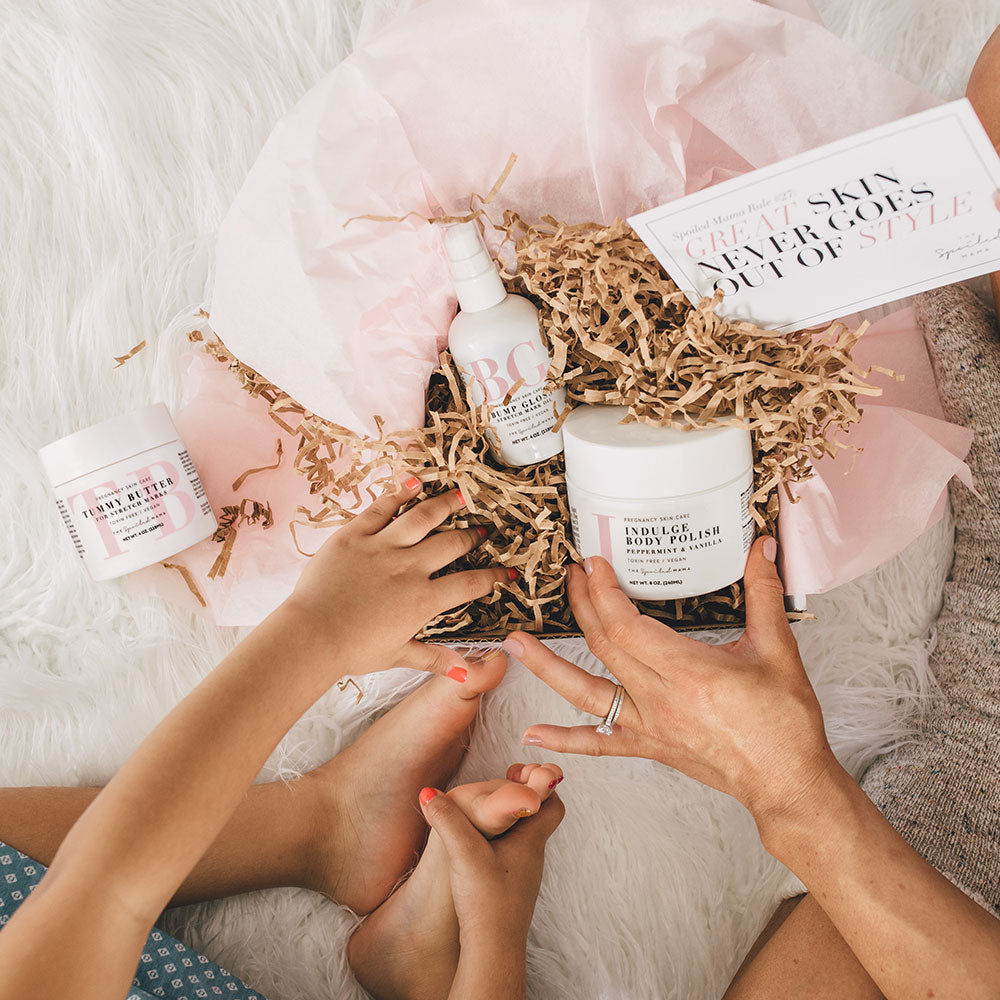
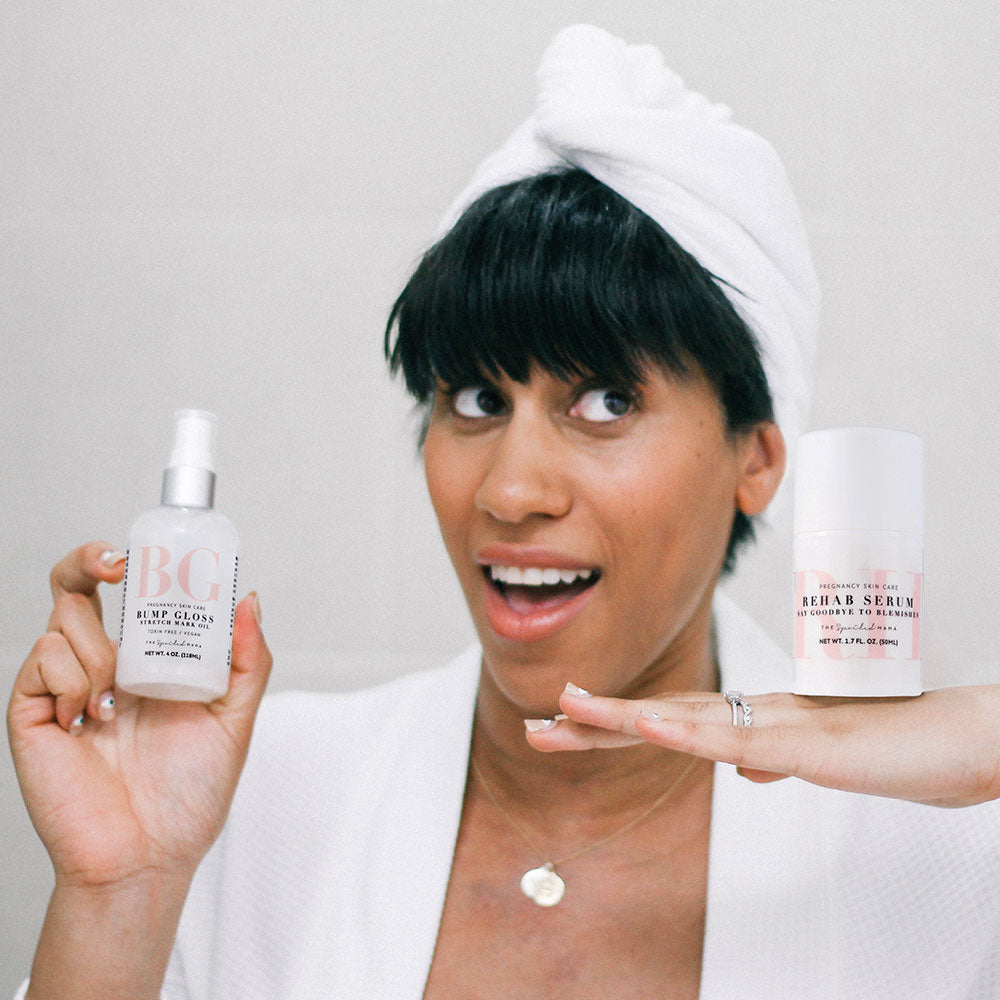
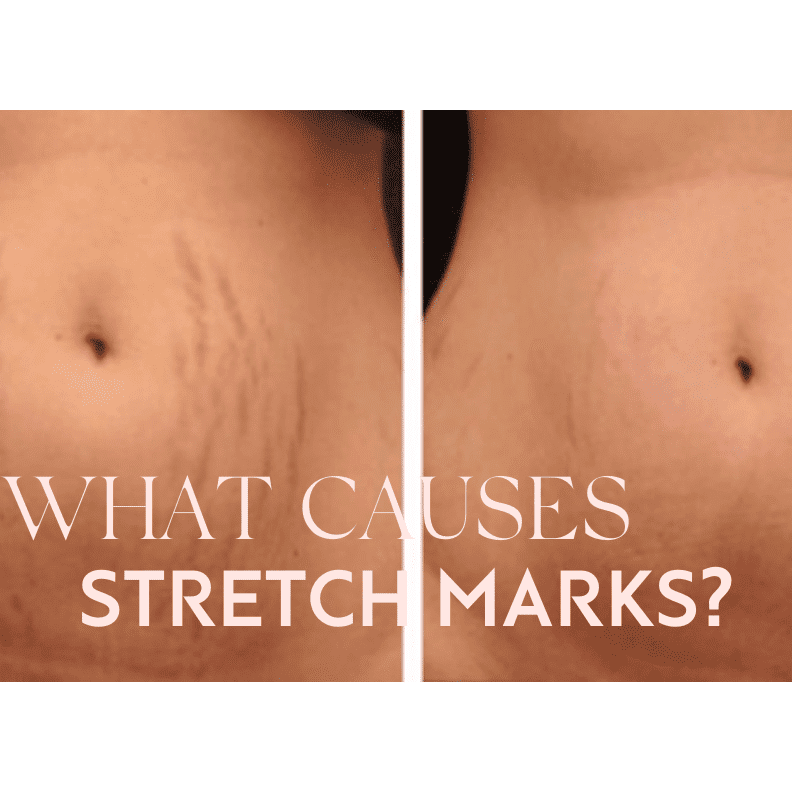
Let’s get real Mamas. Most of us get stretch marks at some point in our lives. Maybe it was during a growth spurt as a teenager or gained a few lbs during quarantine. Let’s focus on the ones you may have gotten during pregnancy. Some of you call them your “badge of honor” others may want to just say “bye Felicia”. Either way stretch marks are extremely common and quite frankly, totally normal. During pregnancy, our bodies are constantly changing, and rapid skin stretching, pregnancy-related hormones, genetics, and changes in the elastic supportive tissue beneath the skin can contribute to stretch marks. Dryness, fluid retention, and swelling may happen at the same time and can make skin feel tighter or itchier, but they are not considered the primary cause of stretch marks. Somebody get me some ice, these cankles are killing me!
What causes pregnancy stretch marks? Pregnancy stretch marks develop when skin expands quickly and the elastic supportive tissue beneath it changes. Genetics, hormones, rapid growth, and changes involving collagen and elastin all influence who develops them. Stretch marks may itch because expanding skin can feel tight and dry. Moisturizing can ease dryness and itching, but no cream can guarantee that stretch marks will be prevented or removed.

What are the main causes of stretch marks?
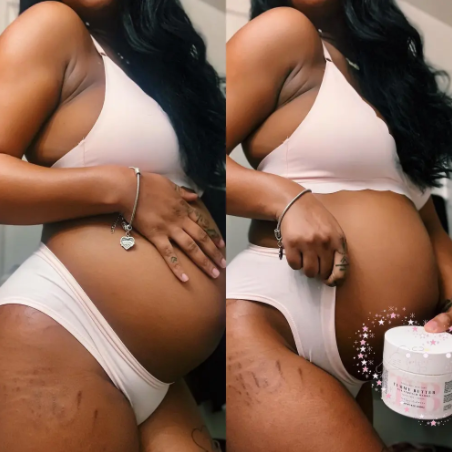
Our skin is elastic, but during pregnancy, it may stretch quickly, resulting in stretch marks or as we like to say “stretch happens”. Rapid growth, pregnancy-related hormonal changes, genetics, and changes in the elastic supportive tissue beneath the skin are the main contributors. Dryness can make skin feel tight or itchy, but it does not directly cause stretch marks. These “tiger stripes” can appear in either tan, red, yellow, pink, purple, or even brown ribbons. The most commonly affected areas are the abdomen, breasts, hips, flank, booty, and thighs. At this point, you may be asking yourself “What are the best stretch mark cream for Pregnancy?!” Don’t panic! We know some great ways to support stretching skin, relieve dryness and itching, and soften the look of stretch marks over time.
What happens to collagen and elastin?
Collagen gives skin strength and structure, while elastin helps it stretch and move. During pregnancy, rapid expansion and hormonal changes can affect the connective tissue in the dermis, the middle layer of skin. If that tissue cannot adapt as quickly as the body changes, visible lines may form. Genetics also influence how naturally resilient and stretch-prone your skin may be.
- Rapid stretching: Fast growth of the belly, breasts, hips, or thighs places additional stress on supportive skin tissue.
- Hormonal changes: Pregnancy hormones can influence skin structure and how connective tissue responds to stretching.
- Genetics: A personal or family history of stretch marks can increase the likelihood of developing them.
- Rate of body change: Faster changes in body size may give skin less time to adjust.
For a deeper explanation, read Stretch Marks During Pregnancy: Genetics, Causes & How to Support Your Skin.
Can you get rid of stretch marks?
We know stretch marks are usually not harmful, but let’s be honest, most of us do not like the look of them. That’s why we search for ways to support stretching skin and soften their appearance. Lotions and creams for stretch marks can moisturize dry skin, improve comfort, and make the surface look smoother, but no topical product can guarantee prevention or complete removal. Most of you know the long list of things we are supposed to avoid during pregnancy, but what about ingredients that help keep skin soft and moisturized? Drum roll please... Cocoa butter, organic tamanu oil, sea buckthorn oil, and rosehip oil! Just to name a few. These emollient ingredients help condition skin and support moisture with consistent use over time. And the good news is these all can be found in our favorite Best lotion for pregnancy and body butter.
What moisturizers can and cannot do
Moisturizing is useful for skin comfort, especially when pregnancy skin feels dry, tight, or itchy. It is not a guaranteed method of preventing or removing stretch marks.
| Moisturizers may help with | Moisturizers cannot guarantee |
|---|---|
| Dryness, tightness, and itchiness caused by dry skin | Complete stretch-mark prevention |
| Softer, more comfortable-feeling skin | Removal of existing stretch marks |
| Supporting the skin barrier | Changes to genetics or pregnancy hormones |
| Temporarily improving the look of dry skin | Identical results for every pregnancy |


The Full Ritual
Our complete three-step belly routine to keep stretching skin hydrated, nourished and comfortable, from pregnancy through postpartum.
Why do pregnancy stretch marks itch?
Pregnancy stretch marks may itch because rapidly expanding skin can feel tight, dry, and irritated. Moisturizing the area can reduce dryness and improve comfort, although it will not change the underlying genetics or guarantee that stretch marks will not form.
Itching may become more noticeable when:
- The belly, breasts, hips, thighs, or booty are growing quickly.
- The surface of the skin is dry or the skin barrier feels irritated.
- Tight clothing or waistbands rub against sensitive areas.
- Heat, sweat, or fragranced products make already-sensitive skin feel more uncomfortable.
- You notice itching more at night, when there are fewer distractions or the skin feels warmer beneath clothing and bedding.
Can itchy stretch marks feel bumpy, sore, or painful?
Newer stretch marks may feel itchy, tender, or slightly sore while the surrounding skin is changing. Stretch marks are usually flat or slightly indented, so raised bumps, a spreading rash, significant pain, warmth, swelling, drainage, or broken skin may point to irritation or another skin condition that should be evaluated.
Call your OB/GYN promptly: Severe or persistent itching, especially itching without a rash or itching that affects the palms of the hands or soles of the feet, should not automatically be blamed on stretch marks. It can have a pregnancy-related cause that needs medical assessment.
Scratching does not cause stretch marks, but repeated scratching can irritate the skin or create small breaks in the surface. Try a cool compress, loose clothing, and a gentle moisturizer instead. Ask your healthcare provider before using a medicated anti-itch treatment during pregnancy.
How to support stretching skin during pregnancy
A consistent routine cannot control genetics or guarantee prevention, but it can keep stretching skin moisturized, comfortable, and easier to care for throughout pregnancy.
Keep Yourself Hydrated
Your body needs more fluids during pregnancy because, well, you’re “drinking for two”. We cannot stress this enough. KEEP YOURSELF HYDRATED. Drinking enough water supports your overall health during pregnancy, but it has not been proven to prevent stretch marks. Dry skin can make stretch marks look more visible and may increase tightness or itching. Staying hydrated supports overall wellness, but sometimes our skin needs a topical boost. And no, we’re not talking about caffeine, Mama. The best lotion for pregnancy and postpartum skin will help with the rest. Lotions and creams can relieve itchiness caused by dry skin and improve the appearance of dry, dehydrated-looking skin, not to mention maintain that glow you’ve been workin’ on.
Proper Diet
Now we aren’t here to tell you what to eat *pass me the doughnuts, please*. However, it is important to maintain a healthy diet for yourself and baby. A balanced diet supports general health, normal skin function, and tissue repair, but no specific food, vitamin, or supplement has been proven to prevent pregnancy stretch marks. Vitamin C, vitamin D, vitamin E, zinc, and protein all play different roles in normal nutrition and tissue function. Zinc is especially important for immune function and normal wound healing. There are a few different ways you can get zinc through food, including lean proteins, eggs, nuts, and seeds. Do not begin extra vitamins or zinc supplements solely for stretch marks without asking your OB/GYN, since your prenatal nutrition plan should be individualized. You can find topical skincare products containing zinc, but not all of them are toxin-free, organic, and pregnancy safe skincare. We think this Tummy Butter is the best stretch marks prevention cream.

Take care of stretch marks as soon as they appear
Get ahead of the game. If you start caring for your skin at the beginning of your pregnancy, you can build a consistent routine that keeps skin moisturized and comfortable as it stretches. No routine can guarantee that you will not get stretch marks, because genetics, hormones, and the rate of skin expansion still matter. The best lotions for pregnancy will keep your skin hydrated, support supple-feeling skin, and help soften the look of dryness over time. Just like most things in life, nothing is resolved overnight and unfortunately, stretch marks are one of them. The good news is that a consistent skincare routine can support comfort and appearance while stretch marks naturally change. Just apply tummy butter cream, the best stretch marks cream for pregnancy on your bumps and bits during and after your pregnancy to keep skin moisturized through each stage.
For a complete routine, see How to Prevent Stretch Marks During Pregnancy.
What is the difference between new and older stretch marks?
Newer stretch marks usually have more color, while older stretch marks tend to become lighter and less noticeable. Their exact color depends on skin tone. They may seem to appear overnight because they are noticed suddenly, but the underlying skin changes develop over time.
| Feature | Newer stretch marks | Older stretch marks |
|---|---|---|
| Typical appearance | Pink, red, purple, reddish brown, dark brown, or more vivid than surrounding skin | Paler, white, silver, or closer to the surrounding skin tone |
| Texture and comfort | May feel itchy, tender, or more noticeable | Often flatter, slightly indented, and less symptomatic |
| Expected change | Color may gradually soften as the marks mature | May remain visible even after fading |
| Treatment expectations | Earlier marks may respond better to some dermatologist-directed treatments | Mature marks can be more resistant to treatment |
After pregnancy, stretch marks often become less noticeable gradually. Many marks fade over several months, but they may not disappear completely.
Pregnancy and postpartum stretch-mark care
The safest and most useful approach depends on whether you are currently pregnant, postpartum, or breastfeeding. During pregnancy, focus on gentle moisturization, comfort, and realistic expectations. Postpartum, you can continue moisturizing and ask a dermatologist about additional options once your healthcare provider says they are appropriate.
| Skin goal | During pregnancy | Postpartum |
|---|---|---|
| Relieve dryness or itching | Use a gentle pregnancy-safe moisturizer or body oil and avoid irritating products | Continue moisturizing as skin adjusts after delivery |
| Support stretching skin | Apply moisturizer consistently to the belly, breasts, hips, thighs, and booty | Continue a consistent routine while marks gradually change |
| Improve the appearance of marks | Focus on hydration and avoid products that are not pregnancy-safe | Ask a dermatologist about evidence-based topical or in-office treatments |
| Use retinoids | Avoid retinoids during pregnancy | Ask your healthcare provider before use, especially while breastfeeding |
| Professional procedures | Generally defer elective procedures and discuss concerns with your OB/GYN | Discuss timing and realistic results with a board-certified dermatologist |
For postpartum-specific guidance, read Fan Q&A: What Is the Best Cream to Fade Stretch Marks? You can also review our Pregnancy and Postpartum Safe Skincare Routine.
Frequently asked questions about itchy pregnancy stretch marks
Why do stretch marks itch during pregnancy?
Stretch marks may itch because rapidly expanding skin can feel tight, dry, or irritated. A gentle moisturizer can reduce dryness and improve comfort, but it cannot guarantee prevention.
Does itching cause stretch marks?
No. Itching does not cause stretch marks. Rapid skin expansion, pregnancy-related hormones, genetics, and changes in supportive skin tissue are more important factors. Scratching can still irritate or break the skin.
Can stretch marks hurt?
Newer stretch marks may feel tender, sore, or itchy as the surrounding skin changes. Significant pain, warmth, swelling, drainage, broken skin, or a new rash should be evaluated by a healthcare provider.
Can stretch marks appear overnight?
Stretch marks may seem to appear overnight because they are noticed suddenly or become more visible as their color changes. The underlying changes in the skin develop over time.
What do pregnancy stretch marks look like?
Pregnancy stretch marks usually look like parallel lines or streaks on the belly, breasts, hips, thighs, flank, or booty. New marks may be pink, red, purple, reddish brown, or dark brown, while older marks often become paler, white, or silver.
Can drinking water prevent stretch marks?
Drinking enough water supports overall pregnancy health, but it has not been proven to prevent stretch marks. Applying a gentle moisturizer can help with dryness, tightness, and itching.
Do pregnancy stretch marks go away after pregnancy?
Pregnancy stretch marks often fade and become less noticeable after delivery, but they may not disappear completely. Their color and appearance usually change gradually over several months.
At the end of the day mama, we are all human and every mama is different. Whether you love your stretch marks or want to “give them the boot” we are all mothers. And these stretch marks are little reminders of the bond you had with your baby before they were even born. Wear them proudly!

Medical sources
Pregnant, postpartum or breastfeeding? Shop all non-toxic, OB/GYN-recommended essentials.

Leave a comment
All comments are moderated before being published.
This site is protected by hCaptcha and the hCaptcha Privacy Policy and Terms of Service apply.